


There is a difference between moving into a house and settling a home.
The first one happens when the boxes arrive.
The second happens much later, usually after a series of small decisions that finally make the place feel like it belongs to the life being lived inside it. A chair appears in the right corner. The entry stops feeling temporary. The dining room starts holding real evenings. The bedroom begins acting like a retreat instead of a storage zone with linens. The whole house exhales a little.
That is the real housewarming process.
And for grown-ups, it should have less to do with novelty wine stoppers and more to do with establishing a home that feels finished, welcoming, and properly inhabited. Especially in a Western home, where warmth, hospitality, material richness, and emotional atmosphere matter just as much as visual appeal.
The mistake many people make after a move, renovation, or major room refresh is trying to finish everything at once. They scatter energy across too many categories, buy too many filler items, and end up with a house that is technically furnished but still feels unsettled. The better approach is slower, more strategic, and far more satisfying.
A Western housewarming, at least the adult version, is not about random décor. It is about knowing what to put in place first so the home starts functioning and feeling right quickly.
If you want your ranch home, mountain home, lodge, or refined Western interior to feel settled in a way that actually lasts, here is the order that matters.
Start with the room that receives people first
The first priority is not always the largest room. It is the room that sets the emotional tone as people enter.
That is often the entry, foyer, or front approach into the main living area. If that zone feels unfinished, blank, or chaotic, the entire home can feel like it is still in transition even when other rooms are coming together nicely.
The entry does not need to be overly decorated. It does need to feel intentional.
A good entry usually needs:
• one strong anchoring piece, often a console or bench
• lighting that warms the space rather than flattening it
• one or two supportive layers, such as art, a mirror, or a tray
• enough visual order that the home feels received, not improvised
Western Consoles, Western Lighting, and Western Wall Art are natural first-stop categories for this reason. The entry is not just decorative. It tells the rest of the house how to behave.
Get one room fully right before half-finishing three others
This is one of the best rules in adult home-making and one of the least obeyed.
A house feels warmer faster when one room is truly complete than when four rooms are all vaguely underway. Completion creates momentum. Incompletion creates low-grade domestic irritation.
So rather than trying to style the whole house at once, choose the room that matters most to daily life and finish it properly. For many people, that is the living room. For others, it is the bedroom, dining room, or office. But one room should be allowed to become the emotional proof that the house is really becoming home.
Choose the first room based on:
• where you spend the most time
• where guests gather most often
• which room affects your stress level the most
• which room can change the entire feel of the house once finished
This is also why a thoughtful Complimentary Design Consultation can help. The smartest first room is not always the most obvious one.
Prioritize seating before small décor
Nothing makes a house feel undergrown faster than a room full of styling objects and nowhere truly comfortable to sit.
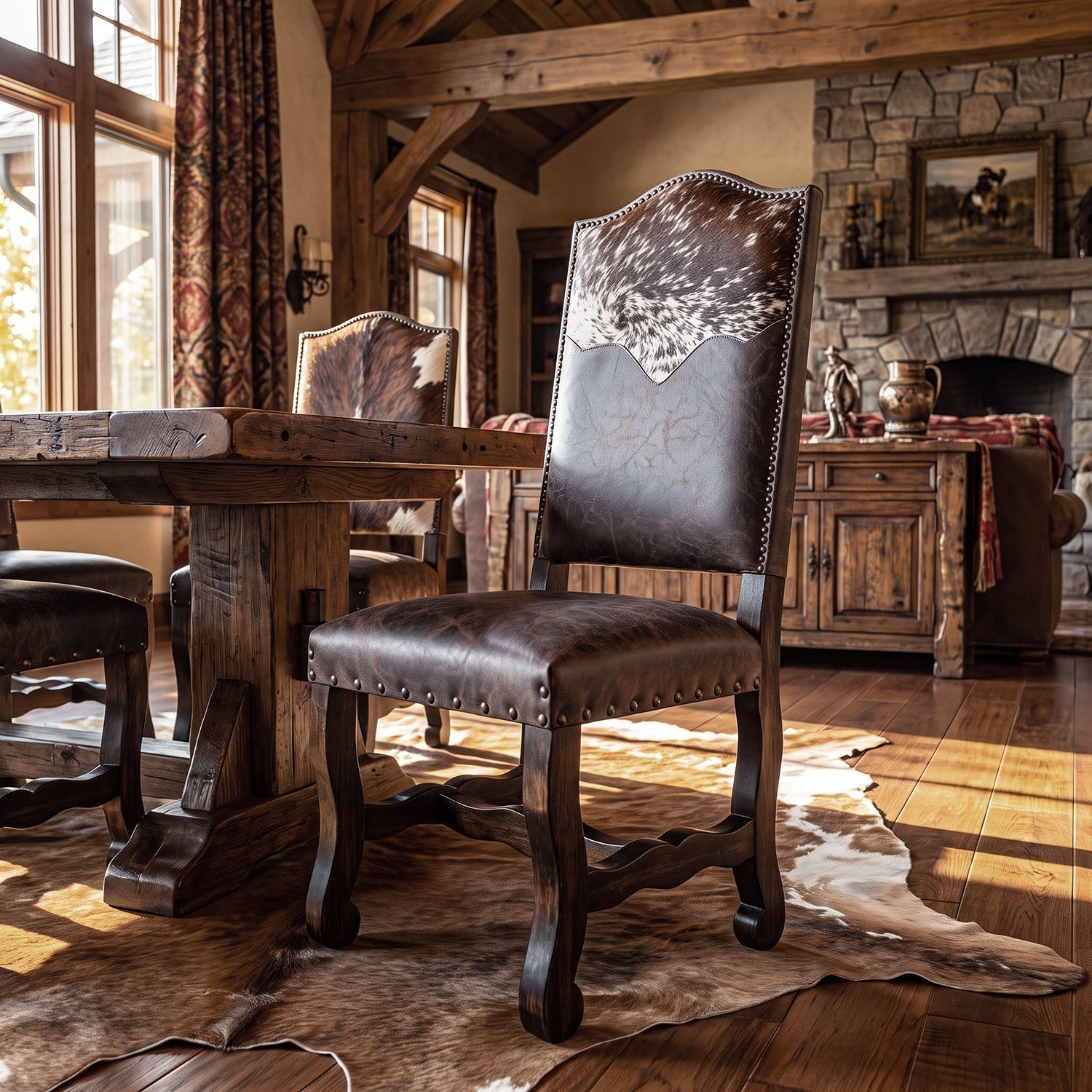
Before the decorative layers, make sure the house has seating that actually supports living. A well-placed sofa, a pair of chairs, a bench at the foot of the bed, dining chairs that allow a meal to linger, a desk chair that makes work less punishing — these are foundational comforts. They do more to warm a home than accessories ever will.
Foundational seating priorities often include:
- a main sofa or conversation anchor
- comfortable dining seating
- an accent chair or swivel chair where the room needs shape
- a bedroom bench or occasional seat where appropriate
- office seating that supports real use
Western Leather Sofas, Western Accent Chairs, Western Swivel Chairs, Western Dining Chairs, and Western Desk Chairs all belong high on the grown-up housewarming list.
Small décor can wait. The body should not have to.
The dining table is one of the fastest ways to make a home feel real
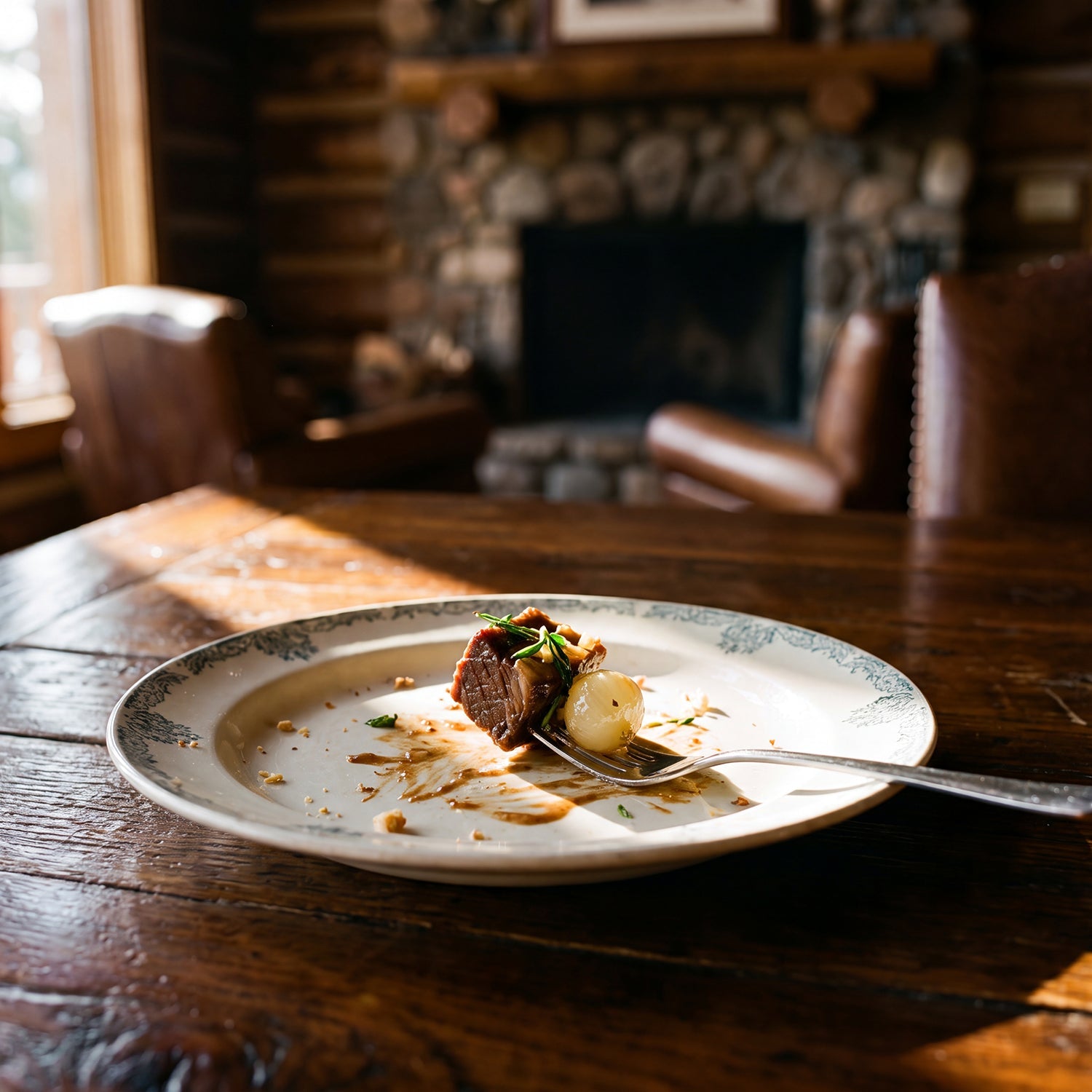
A home feels more settled once it can host a real meal.
Not necessarily a holiday dinner or a dramatic feast with twelve place settings and speeches. Just a proper meal. A table worth sitting at. Chairs that support staying. A room that allows conversation, coffee, and a second course if the night happens to head that way.
This is why the dining room often matters more than people think during the housewarming phase. It signals permanence. It suggests the household is no longer camping stylishly. It is actually living here.
The dining room becomes real when it has:
• a table with enough presence to anchor the room
• comfortable chairs that encourage lingering
• lighting warm enough for evening use
• enough scale and spacing to feel intentional
Western Dining Tables and Western Dining Chairs collections are core here, as are our related articles like Ranch House Dining: Chair Mixing That Still Looks Expensive and How to Choose the Perfect Western Dining Table.
Bedrooms should be settled earlier than people think
One of the stranger habits in adult decorating is leaving the bedroom half-finished for months while the visible public rooms receive all the attention.
This is backward.
The bedroom affects daily life more directly than almost any other space in the house. If it still feels improvised, the whole home can feel less settled on a nervous system level, even if the living room has a very handsome lamp and a few deeply committed books.
A bedroom starts feeling complete when it has:
• a bed with real presence
• proper nightstands
• layered lighting
• bedding with warmth and substance
• one supporting element such as a bench, rug, or chair
Western Beds, Western Nightstands, Western Bedding, and Bedroom Benches should be treated as housewarming categories, not “someday later” categories.
A grown-up home should know how to let you sleep properly.
Lighting is one of the fastest ways to erase the “just moved in” feeling
Rooms feel temporary when they are lit badly.
Overhead-only lighting makes even a beautifully furnished space feel unfinished because the house has not yet learned how to hold evening properly. Once lamps, softer light layers, and warmer pools of light arrive, the home starts feeling inhabited in a deeper way.
Quick lighting priorities:
• bedside lamps before decorative filler
• a table lamp in the living room or entry
• a floor lamp where one corner feels abandoned
• warm bulbs and layered sources instead of one bright overhead solution
This is why Western Lighting is one of the smartest early investments after a move or room refresh. A home with better light feels more finished even before every category is complete.
Rugs make rooms feel claimed
A rug does something subtle but important during the housewarming stage. It tells the room where the life is happening.
Without rugs, many spaces feel unfinished, slightly echoing, and emotionally unanchored. With the right rug, the furniture suddenly starts relating to itself. The room gathers. The space reads as owned rather than occupied.
Rugs matter most when they:
• pull the main furniture pieces into a coherent grouping
• soften sound and add warmth
• create a sense of completion underfoot
• support the material palette of the room rather than distracting from it
Western Area Rugs and Brazilian Cowhide Rugs can both play a role, though for early housewarming purposes, broader area rugs often do more structural work than accent hide moments alone.
One useful surface in every room changes the mood
Adults need places to put things.
That is not glamorous, but it is central to whether a house feels finished. A room becomes more livable the moment it has a side table in the right spot, a console that catches the entry, a nightstand that handles the evening routine, a buffet that supports dining, or a desk surface that makes work less makeshift.
Useful surfaces that earn their keep quickly:
• nightstands
• side tables
• entry consoles
• coffee tables
• buffets and sideboards
• desks with proper seating
Western Coffee Tables, Rustic Accent Tables, Western Buffets & Sideboards, and Western Desks all belong in this layer of the process.
Housewarming is really about hospitality
A mature home starts feeling right when it can host people with ease.
That does not mean every home needs to entertain in a grand way. It means the space should support the kind of welcome you actually want to offer. A place to sit. A table that can hold a meal. A comfortable guest room or at least a guest-ready rhythm. A room that does not force everyone to gather standing around one kitchen counter while pretending that was clearly the plan all along.
Hospitality-driven priorities often include:
• a finished entry
• a real conversation area
• a dining space that works
• a guest-friendly bedroom or corner
• layered lighting that makes evening feel warm
Our Designing a Western Home for Conversation design guide naturally complements this phase, because a finished home is not just styled. It is socially functional.
Buy the pieces that remove daily friction first
Some purchases make a room prettier. Others make daily life noticeably better. During the housewarming phase, the second category deserves to go first.
That usually means choosing the pieces that solve recurring annoyance.
Look for what is currently causing friction:
• nowhere to drop keys or mail at the entry
• nowhere to set a drink beside a chair
• no real place to read in the bedroom
• poor desk setup for actual work
• dining room that still feels temporary
• missing storage or serving surface for meals
Those are not glamorous gaps, but once they are solved, the whole house feels older in the best possible way. More settled. More capable. More like the adults have, against all odds, taken control of the premises.
Add softness only after the structure is right
Pillows, throws, decorative objects, trays, candles, and smaller accents absolutely matter. They are part of what makes a house feel warm. But they work best after the room’s major structure is already in place.
This is where many housewarming efforts lose the plot. Too much soft styling arrives before the room has its anchors. The result is a house with mood and no backbone.
Add softer layers after you have:
• the main seating in place
• useful surfaces where needed
• adequate lighting
• rug scale sorted out
• the room’s main function established
Then bring in warmth through Western Pillows and Throws, better bedding layers, candles, books, and the quieter details that make the house feel lived with rather than newly arranged.
The best housewarming gift is not always a gift
Sometimes the best housewarming move is not another object. It is better planning.
This is especially true in larger homes, new builds, and major remodels where the temptation to fill every blank immediately can lead to expensive filler decisions. A more grown-up approach is to pause, prioritize, and get the foundational pieces right first.
That is where resources like a Complimentary Design Consultation, our Western Hospitality Standard, and White Glove Delivery help support the larger process. A home settles better when the choices entering it were chosen with intention and installed with care.
So what should come first in a grown-up Western housewarming?
If we reduce the whole process to the essentials, the order looks something like this:
Best priority order:
• finish the entry or first emotional receiving space
• complete one important room fully
• secure the main seating pieces
• make the dining room real
• settle the bedroom sooner than later
• layer in proper lighting
• anchor rooms with rugs
• add useful surfaces that remove friction
• support hospitality and conversation
• add softer finishing layers last
That is how a house starts feeling warm in a real way.
Not because everything arrived at once, but because the right things arrived in the right order.
And that, more than any novelty gift basket ever assembled under fluorescent retail optimism, is what actually warms a home.
More Design Guides:
The Western Entryway: First Impressions of Home
Designing Your Western Coffee Table: More Than a Surface, It’s a Stage

Share:
The Western Room That Ages Well
The Western Room That Doesn’t Need More Stuff