

Soulful Sundays
Soulful Sundays is the weekly breath—quiet writing for homes built on legacy, ritual, and stillness. These aren’t product posts. They’re reflective pieces that feel like the house settling after the day: the light softening, the table cleared, the world finally quiet again.
You’ll find short, story-driven reads rooted in Western life and the deeper meaning of home—hospitality, memory, and the small moments that make a place feel lived-in. If you’re here for atmosphere, this is it: the kind of writing that slows you down in a good way.
Read it weekly, save your favorites, and come back when the week needs a reset.

The First Night We Open the Windows
The first night the windows open, the house finally breathes. A quiet reflection on relief, rhythm, and the parts of life we seal off until the air turns kind.
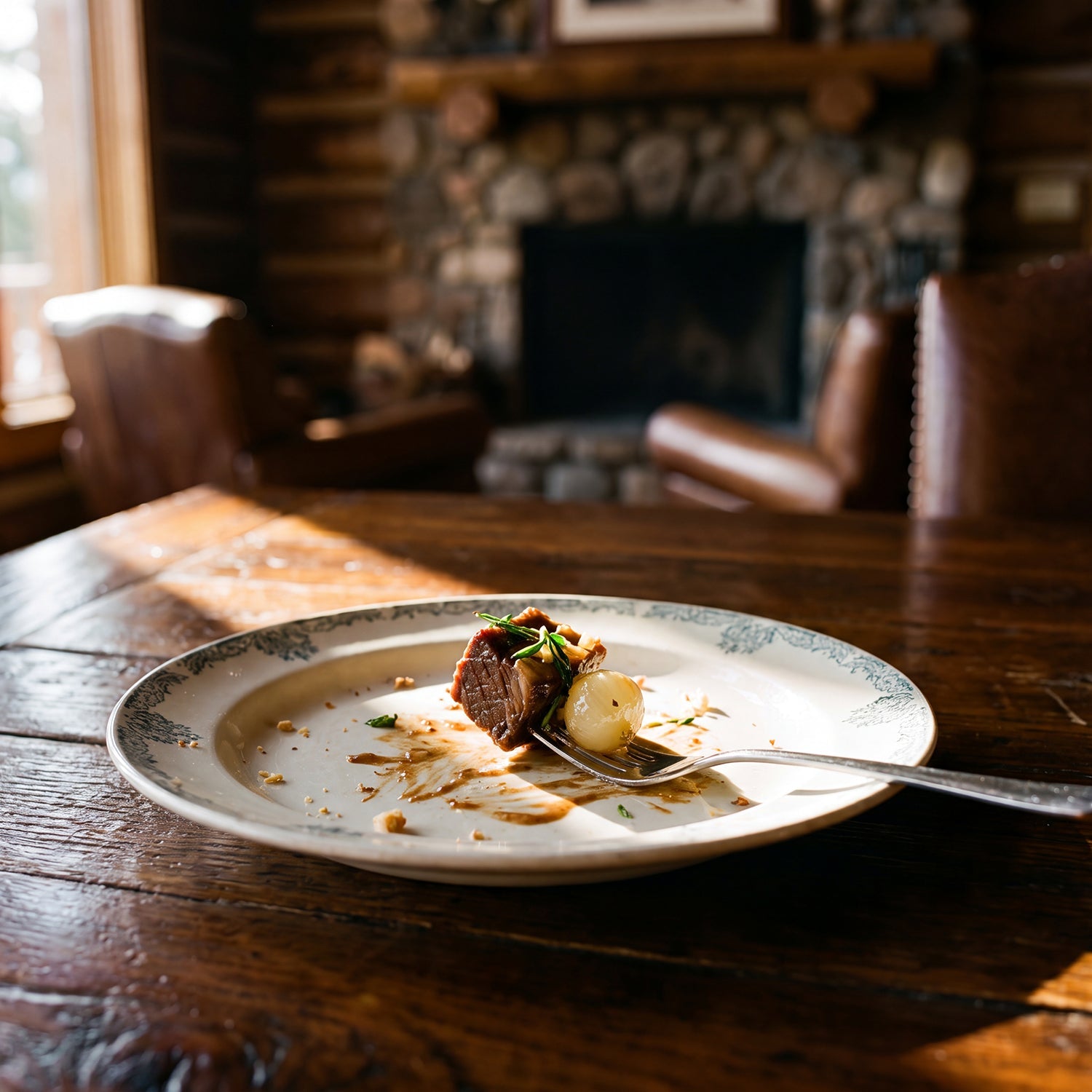
The Last Bite Left on the Plate
A last bite left on the plate can say more than words. A quiet reflection on care, appetite, change, and the way love learns to notice.

The Chair Pulled Out Just a Little
A chair pulled slightly away from the table can be more than something to straighten. A quiet reflection on presence, unfinished moments, and making room.

A mug left in the sink can be more than a mess. A quiet reflection on evidence, grace, and the ordinary signs of life inside a home.
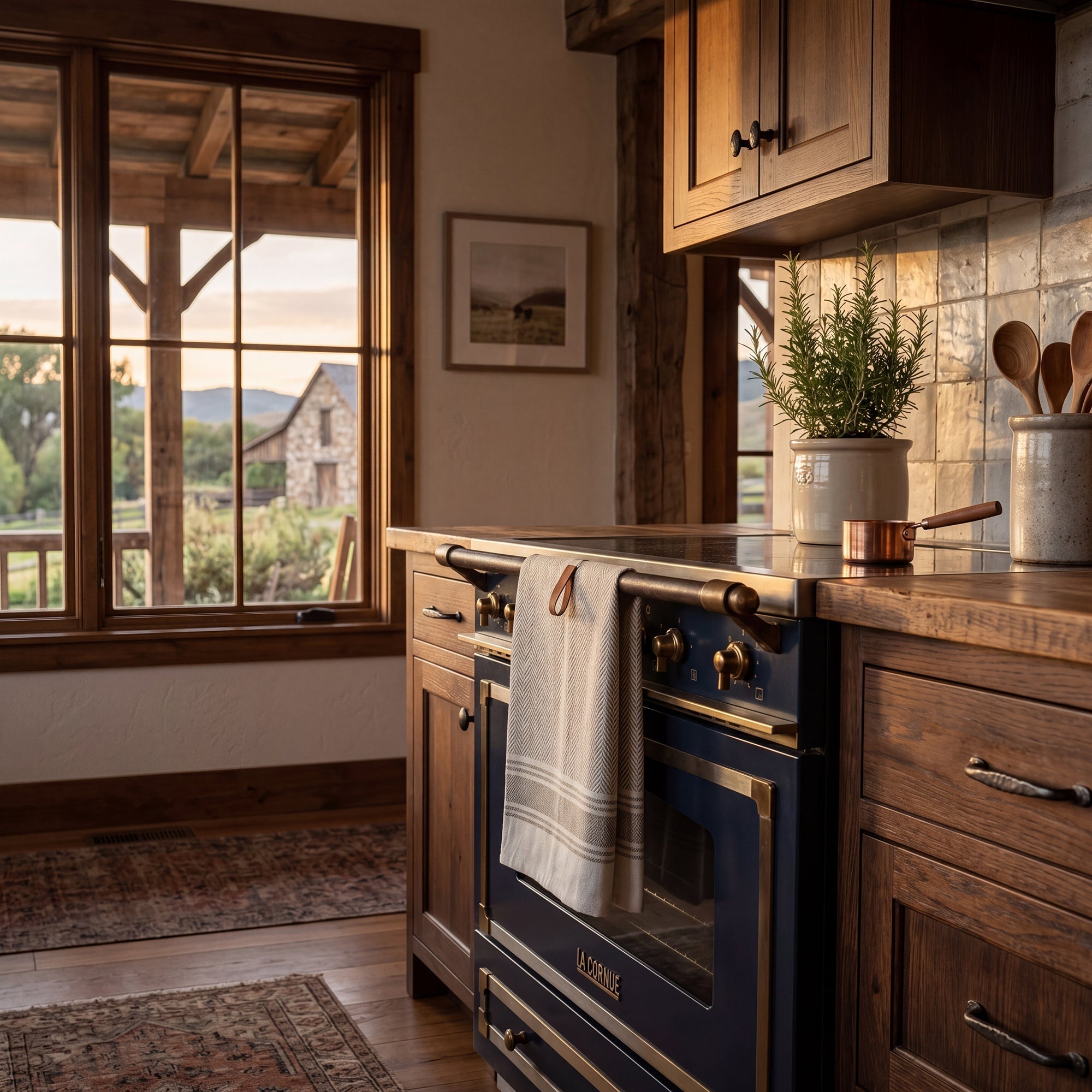
A dish towel hung back in place can be a sign of return. A reflection on small rituals of steadiness after hard days.
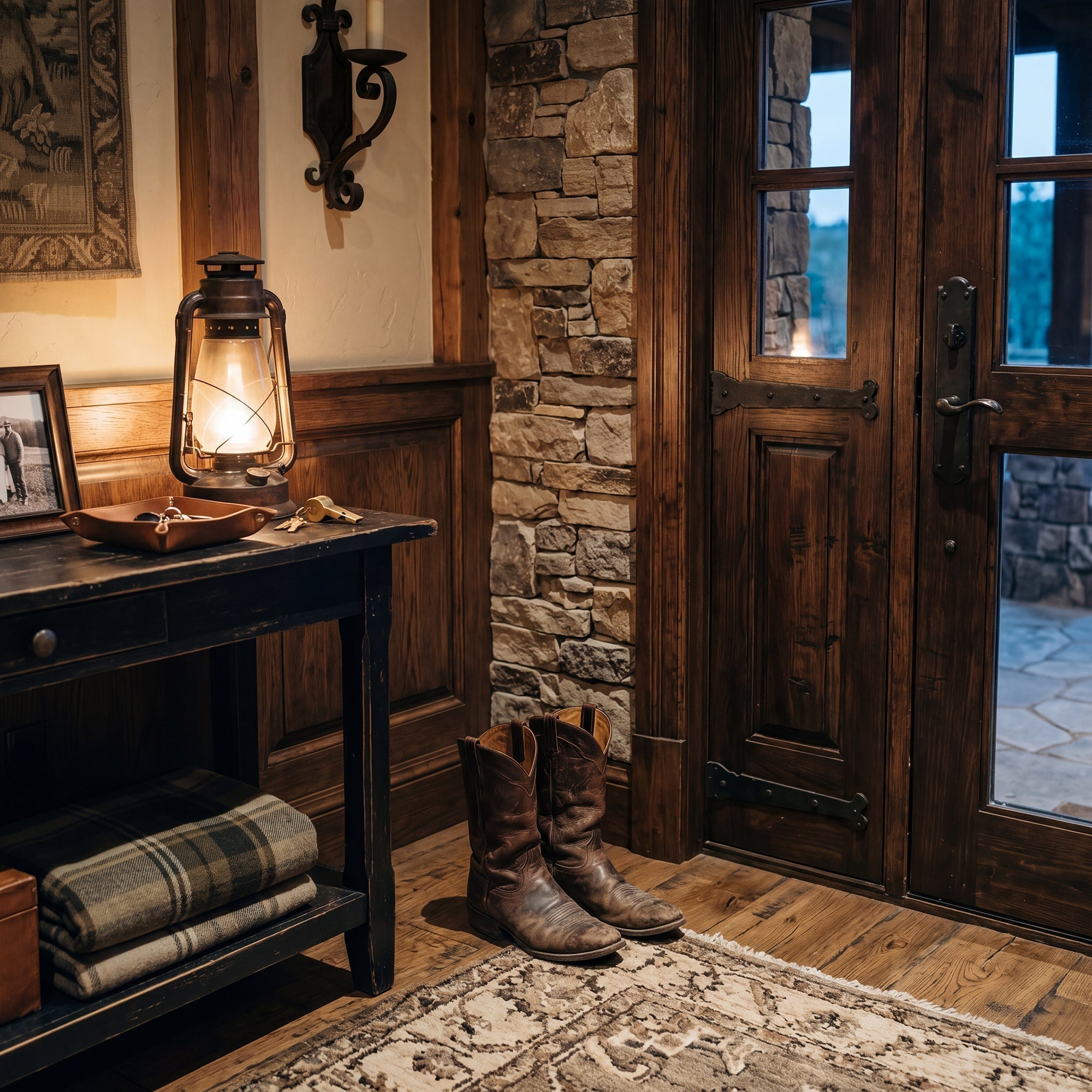
A quiet sign of change: shoes by the door that stay in the same spot. A reflection on absence, distance, and what homes notice first.
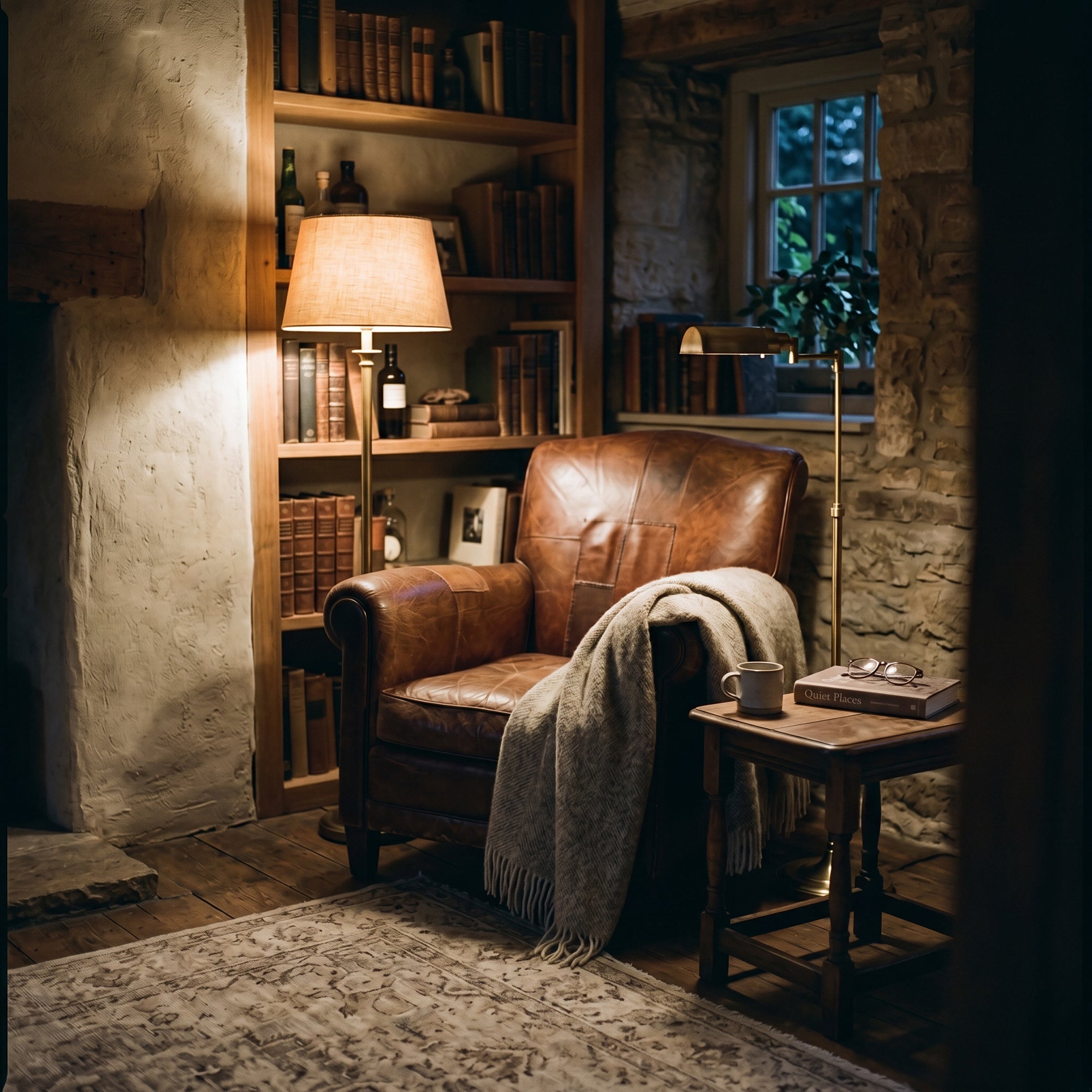
The Chair You Sit In When You Don’t Want to Be Seen
A quiet refuge in the corner of the house. A Soulful Sunday reflection on needing space, holding grief gently, and resting without performance.
Read moreabout The Chair You Sit In When You Don’t Want to Be Seen

The Envelope You Don’t Open Right Away
An envelope on the counter can hold a whole weather system. A Soulful Sunday reflection on waiting, bracing, and the quiet courage of choosing clarity.

The Number You Still Know by Heart
You don’t realize you still know it until your thumb hovers over the keypad. A Soulful Sunday reflection on memory, distance, and the chapters we carry quietly.

It wasn’t meant to be a keepsake. But one day, that ordinary message becomes proof. A Soulful Sunday reflection on voices, memory, and love that lingers.

After the real conversation, the road goes quiet and the words get bigger. A Soulful Sunday reflection on what settles in after you drive away.

A mother’s work is often invisible—but you can feel it in a home. A Soulful Sunday reflection on quiet care, steady presence, and the legacy of being held.