

A chair pulled out from the table can change the whole room.
Not pulled far. Not left dramatically sideways. Just enough to notice.
Just enough to say someone was here.
Maybe they stood up in a hurry. Maybe the phone rang. Maybe the dog barked at the back door. Maybe coffee was still warm and the morning got ahead of them before they had a chance to push the chair back in.
Most days, you see it and fix it without thinking.
You walk by, give it a nudge with your hip or your hand, and slide it back where it belongs.
But once in a while, you stop.
Because that chair, sitting slightly out of place, feels less like a mess and more like a sentence that never got finished.
Homes Are Full of Unfinished Things
A good home rarely looks completely done.
There is always something half-folded, half-read, half-used, half-returned to its place.
A blanket over the arm of a sofa. Mail on the counter. A pair of boots near the door. A cabinet left open just enough to bother you. A chair pulled out from the table as if someone might come back any minute.
We tend to think of these things as disorder.
But sometimes they are simply evidence that life is still in motion.
A perfect room can be beautiful. But a lived-in room has a heartbeat.
And that heartbeat often sounds like small things left slightly undone.
The Chair Remembers the Person
Every table has its habits.
Someone always sits closest to the coffee pot. Someone takes the chair with the best view of the window. Someone leans back too far. Someone taps a finger while they talk. Someone sits down heavy at the end of the day, like the chair is the first place they’ve been allowed to rest.
After a while, the chairs become part of the family map.
You know who belongs where.
You know which seat feels empty even when the room is full.
That’s why a chair pulled out just a little can feel so personal. It does not just mark a place at the table. It marks a person moving through the day.
A person who paused there.
A person who belonged there.
A person whose presence left the room slightly altered.
Sometimes It Means Someone Left Too Quickly
There are mornings when a chair pulled out means the day started rough.
Someone was late. Someone was quiet. Someone stood up before the conversation was finished. Someone left with a goodbye that was too quick, or no goodbye at all.
And later, when the house settles, the chair is still there.
Not accusing anyone.
Not explaining anything.
Just holding the shape of a moment that didn’t get put away.
Those are the things a home keeps for us—the small signs of what happened before we were ready to understand it.
Sometimes It Means Someone Is Expected Back
There is another kind of chair pulled out from the table.
The kind that doesn’t feel abandoned.
It feels reserved.
Like the room is waiting. Like dinner is not quite over. Like the conversation still has one more turn in it.
That kind of chair carries hope.
It says the person who sat there is not finished with this place. It says the door may open again. It says some absences are temporary, and some rooms know how to wait without making a fuss.
There is grace in that.
A chair does not demand to know when someone is coming back.
It simply leaves room.
The Table Teaches Us How to Make Space
Out here, a table is more than furniture.
It is where stories get told badly and remembered fondly. Where coffee gets poured before questions are asked. Where arguments cool down. Where children grow taller by inches you only notice later. Where people come home hungry and leave steadier than they arrived.
A chair pulled out just a little reminds us that making space is part of loving people.
Not chasing. Not forcing. Not filling every silence.
Just leaving enough room for someone to return.
Enough room for the conversation to continue.
Enough room for a person to be unfinished and still belong.
This Sunday, Don’t Rush to Straighten Everything
Today, before you push the chair back in, look at it for a second.
Let it tell you what kind of life passed through the room.
Maybe it was an ordinary morning.
Maybe it was a hard goodbye.
Maybe it was someone rising from the table with too much on their mind.
Maybe it was just family, doing what family does—leaving traces, making work, marking the house with their habits.
Either way, the chair is not just out of place.
It is proof of place.
Proof that someone sat down.
Proof that someone got up.
Proof that the table is still doing what tables have always done: holding room for the people who pass through, the people who stay, and the people we keep expecting to come home.
Related Reflections:

Share:
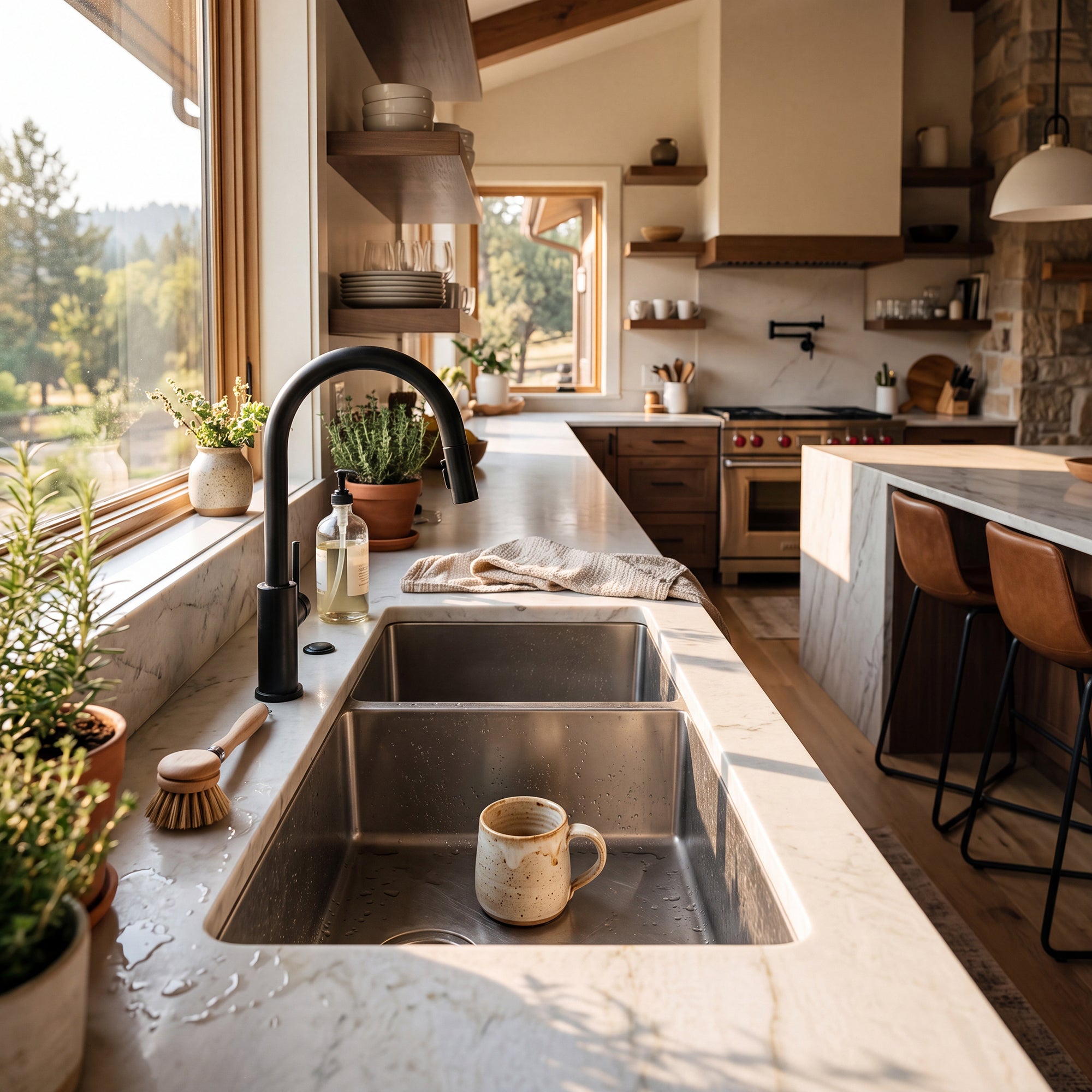
The Mug Left in the Sink
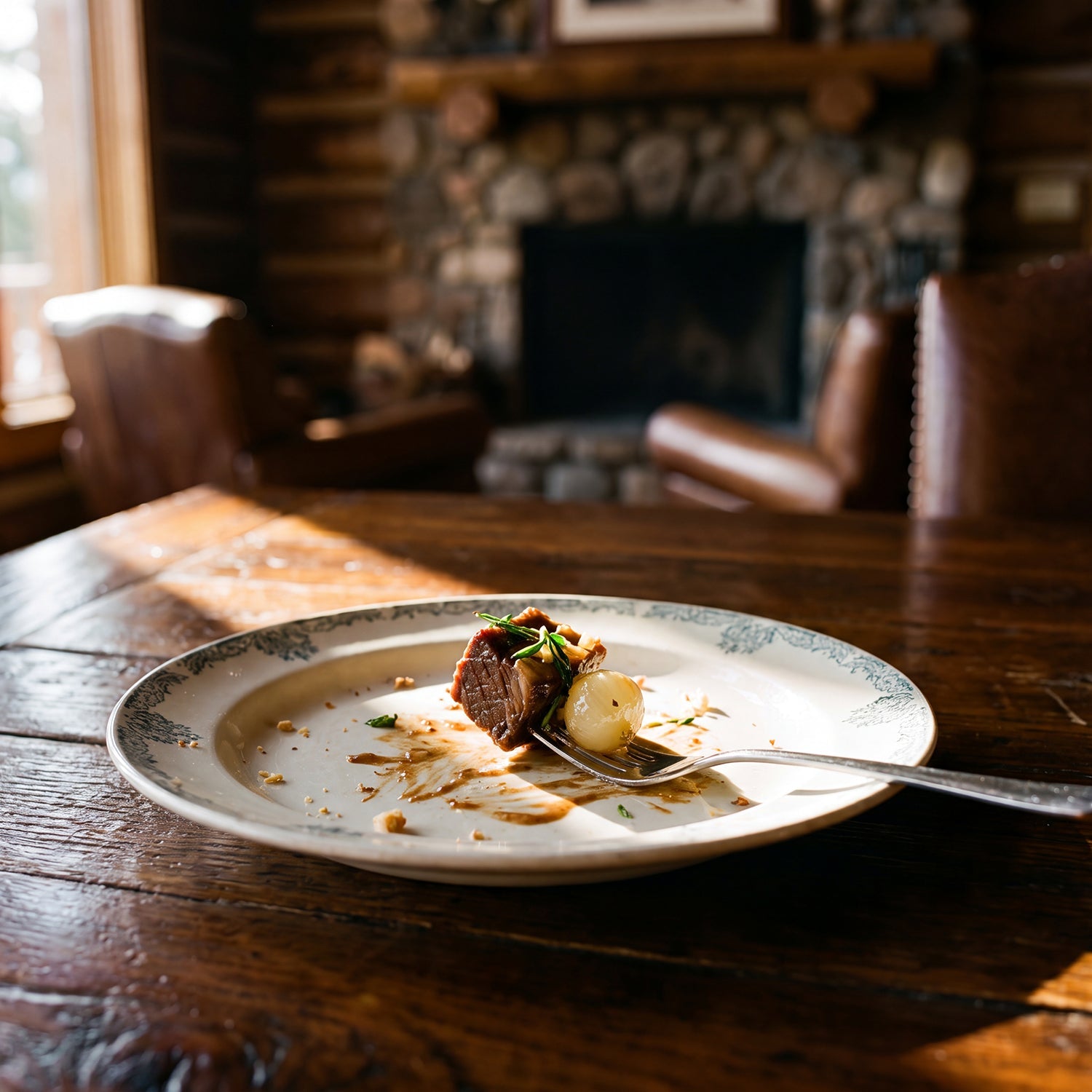
The Last Bite Left on the Plate