

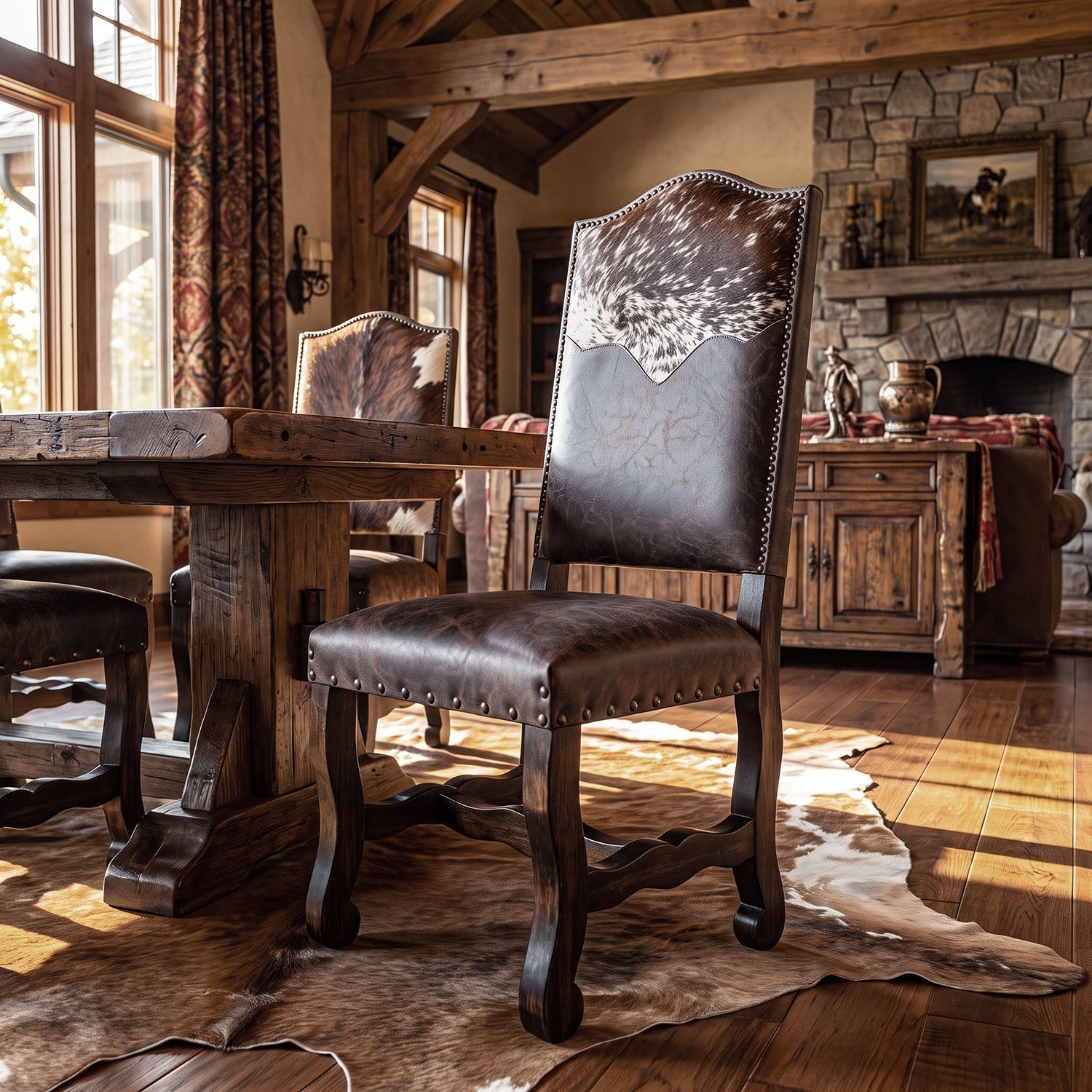
Every home has a chair that doesn’t get talked about.
It’s not the “good” chair. Not the one you point guests toward. Not the one that matches the room the best.
It’s the chair you sit in when you don’t want to be seen.
Not because you’re hiding, exactly. Because sometimes the world feels too loud, and being witnessed feels like work. Because some days you don’t have the strength to explain your face. Because you want to be present in your own home without being asked to perform your mood.
So you choose the chair that gives you cover.
Maybe it’s in a corner where the light falls softer. Maybe it’s just out of the main line of sight—behind a lamp, near a bookshelf, beside a curtain that moves when the air shifts. Maybe it’s a chair in the back room where you can hear the house without being in the middle of it.
And when you sit down, your shoulders drop a notch, like your body has been waiting for permission to let go.
Some Days You Don’t Want Conversation — You Want Shelter
There are days when even the people you love feel like too much.
Not because you’re ungrateful. Not because you’re cold.
Because you’re tired in a way that sleep doesn’t fix.
You can still love your family and still need a few quiet minutes where no one needs anything from you. You can still be loyal and still be spent. You can still be strong and still want a corner of the world where you don’t have to prove it.
The West understands this kind of exhaustion. Out here, you learn that strength isn’t always loud. Sometimes strength is simply staying steady long enough for the moment to pass.
The Chair Is a Boundary Without a Speech
What makes that chair special is that it doesn’t require an announcement.
You don’t have to say, “I need space.”
You don’t have to explain why your chest feels tight or why your patience is thin or why you’re holding back tears that don’t have a name.
You just sit down.
And if your people know you—really know you—they recognize the chair. They learn its language. They let you be there without pulling you into conversation. They let silence be kindness.
A good home teaches people how to give each other room.
Sometimes That Chair Holds Grief
There are seasons when you sit in that chair because you don’t want to be asked the simple questions that suddenly feel impossible.
“How are you?”
Because the honest answer would take an hour.
Because the honest answer might ruin dinner.
Because the honest answer is still forming.
So you take the chair that lets you hold your own heart without having to hand it to someone else.
You sit there and stare at nothing. You listen to the house. You let the day drain out of you slowly.
You don’t have to make it meaningful. The meaning is already there: you are taking care of yourself the way you’d take care of the land—quietly, deliberately, before things get worse.
The House Still Knows You’re Here
Even when you choose that chair, you’re not leaving your life. You’re still inside it.
You can hear the clink of a mug. A cabinet closing. The dog’s nails on the floor. A low conversation in the other room that you don’t need to join.
The house continues without demanding your attention.
And that’s the gift: you can remain connected without being on display.
You can belong without having to speak.
This Sunday, Find Your Quiet Corner On Purpose
If you have a chair like this, honor it.
Sit there without guilt.
Let it be a small permission slip: you don’t have to be “on” all the time to be loved.
And if you don’t have one yet, create it.
Not as décor. As refuge.
A chair that says: you can come here when the day is too much.
Because the strongest people you know aren’t the ones who never feel anything.
They’re the ones who know where to go when they do.
Related Reflections:

Share:
The Envelope You Don’t Open Right Away
The Shoes That Didn’t Move