

There’s a chair that stays empty every year.
You don’t talk about it.
You just set the table like you always have — forks on the left, glassware up top, napkins folded, never too fancy.
But one setting never gets used.
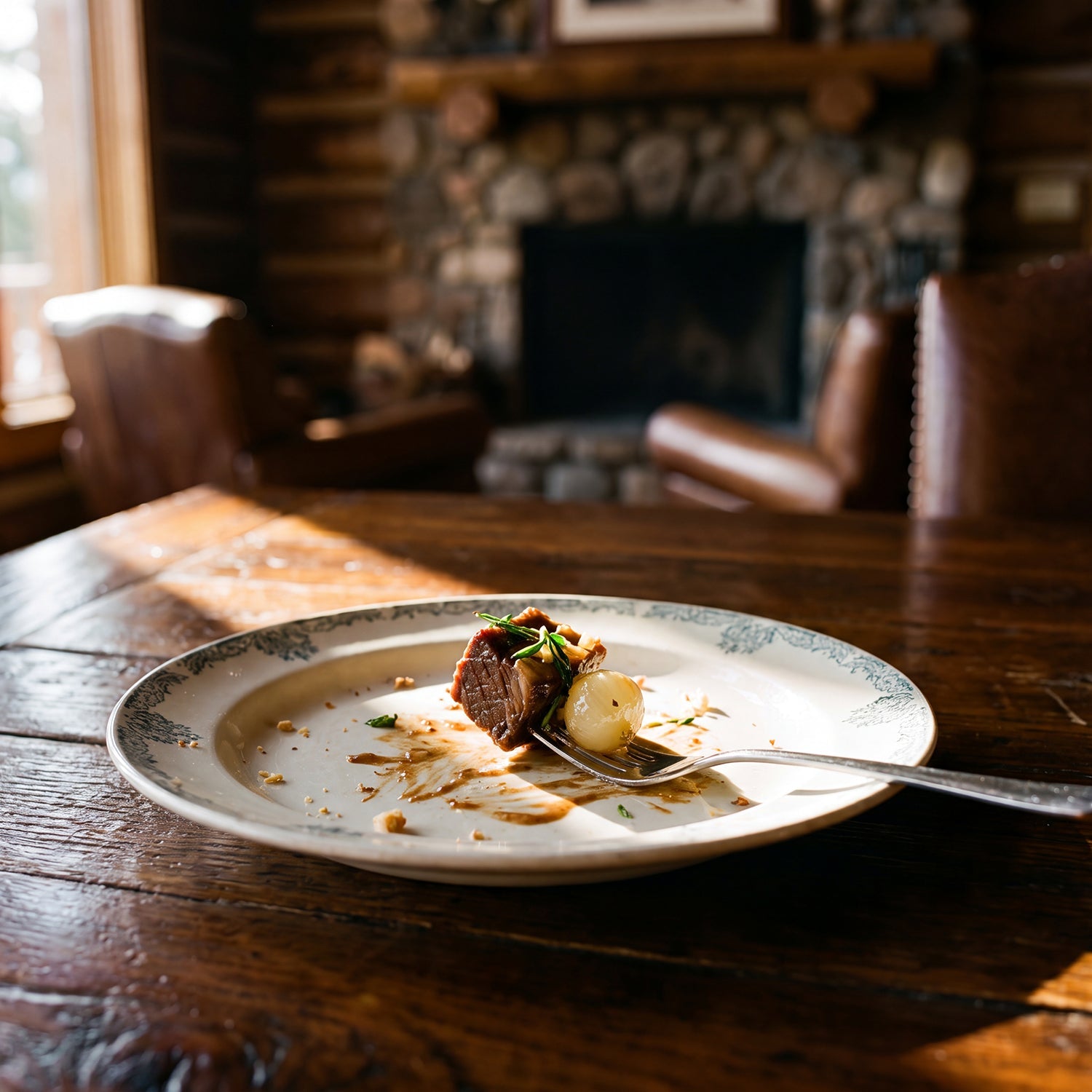
The plate stays clean.
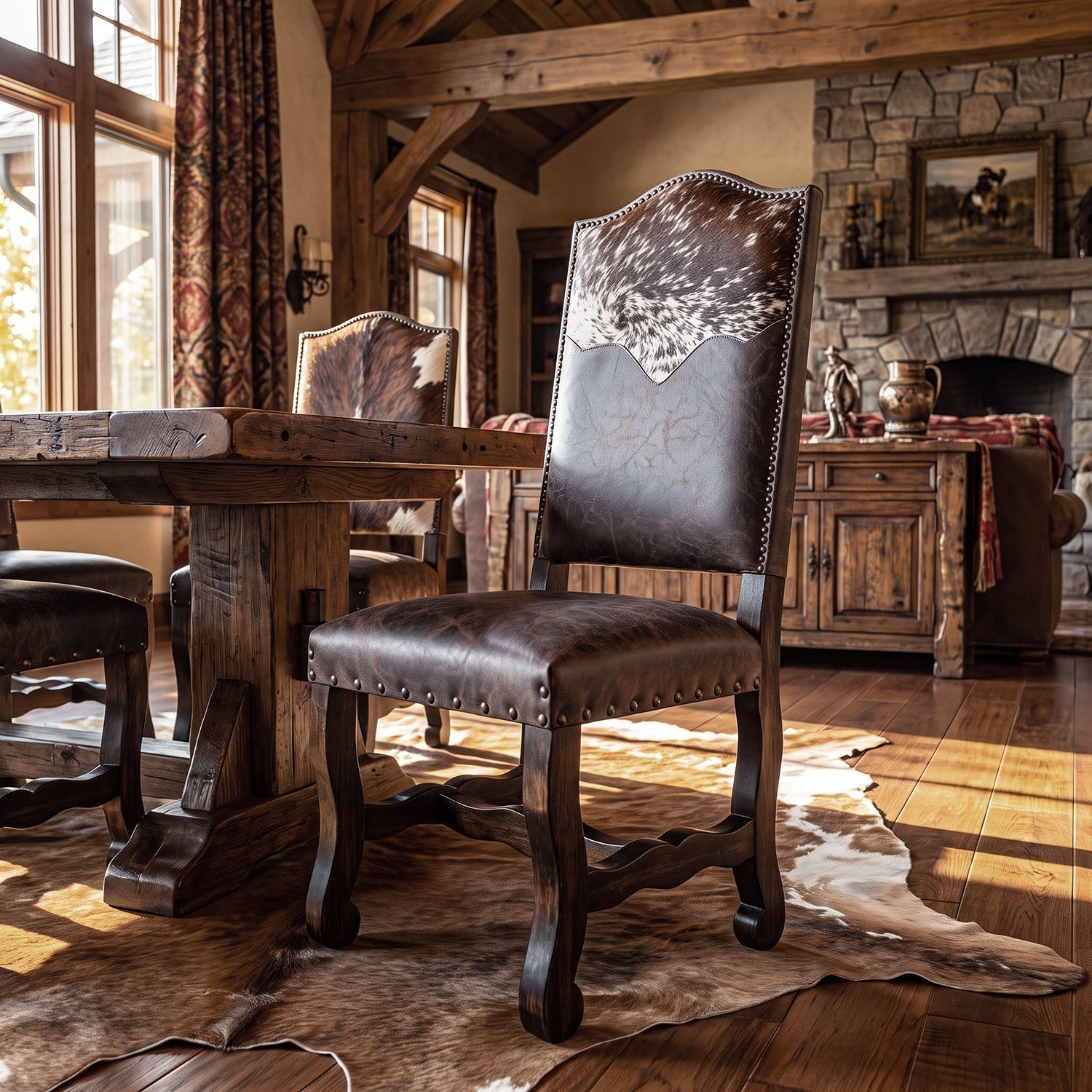
The chair stays pushed in.
And somehow, everyone at the table knows what it means — even if no one says a word.
You Don’t Just Set a Table. You Hold Space.
Out here, we save a place for a lot of reasons.
• For the uncle who passed two winters ago, but still taught you how to carve the turkey just right.
• For the daughter who’s away at school, but always texts before dessert.
• For the grandfather who built the table itself, every board still holding the weight of his hands.
Sometimes, the seat is empty because someone’s gone.
Sometimes, it’s empty because someone’s not ready to come home yet.
And sometimes, it’s just a symbol — a way of saying: you still belong here, no matter what.
It’s Not Grief. It’s Reverence.
The Western table isn’t just a place to eat.
It’s where legacies unfold.
Where names are spoken slowly.
Where silence carries weight, and memory lives between bites.
We don’t save places because we can’t move on.
We save them because we remember who taught us how to be here in the first place.
Western Homes Remember Differently
In a ranch home, it’s not about centerpieces or trends.
It’s about who’s not there — and the fact that their presence is still felt.
The wind through the cracked window.
The way someone still reaches for that extra plate before remembering.
The old joke that gets told every year, even if it hurts a little more now.
Western homes don’t erase the past.
They carry it quietly — like a well-worn quilt, or a name carved under the table edge.
Holding Space Is a Kind of Love
It doesn’t matter if anyone else notices.
That you put their favorite glass in front of the plate.
That you still cook the dish no one really eats anymore.
That you leave the chair just slightly angled, like someone might still show up late.
It’s not performative.
It’s not nostalgic.
It’s just… real.
And if you’ve ever saved a place — whether at the table, or in your heart —
then you already understand:
Love doesn’t always need to speak.
Sometimes it just sets the table, and waits.
This Sunday, Save the Place Anyway
Even if no one else notices.
Even if it’s just you.
Because saving space is how we honor presence without demanding it.
How we remember without reopening wounds.
How we say: “You matter,” even in the quiet.
And if they don’t show up this year?
That’s okay.
They’ll feel it.
They always do.

Share:
What the Land Remembers
The Night Before Company