

The house always goes quiet in a particular way after everyone leaves.
Not empty—just different. The hum of the fridge takes the lead again. A fork turns up under a napkin like it was hiding from the parade. Someone’s laugh is still floating in the hallway, thinner now, already on its way to becoming memory.
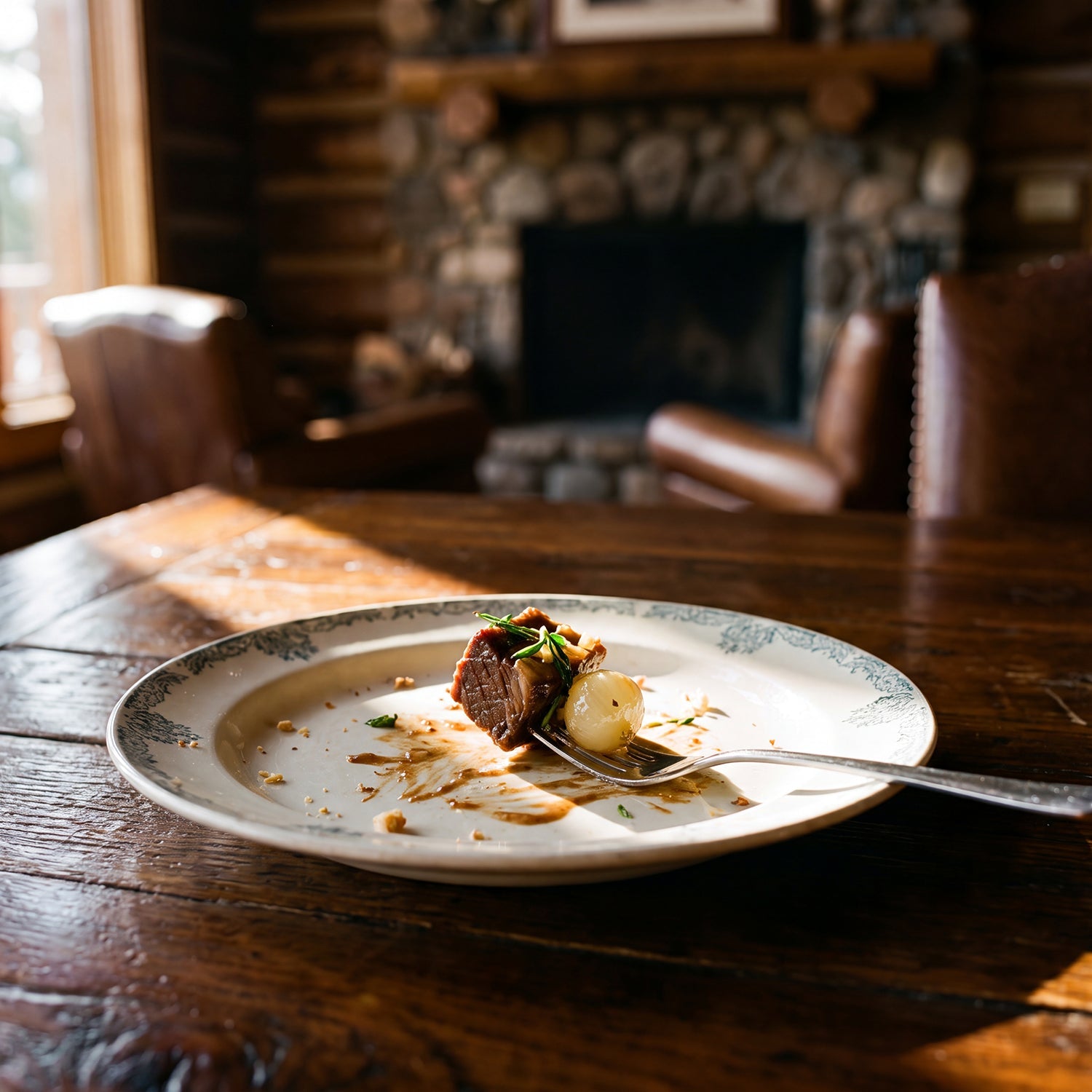
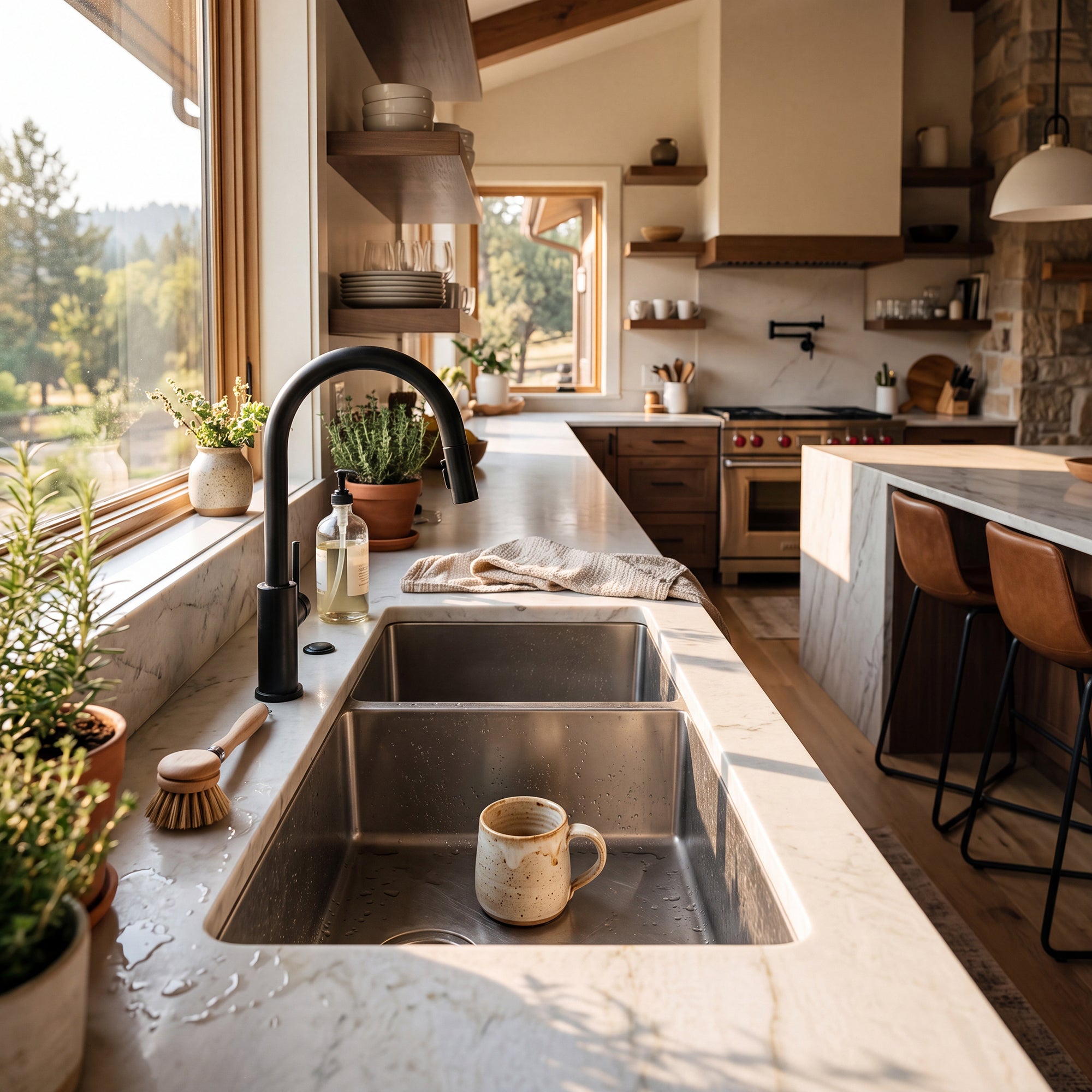
You stand at the sink and run warm water, not because there’s a rush to clean, but because it feels right to close the loop. Plates stack, glasses line up, the good skillet gets a respectful rinse. The table bears the faint rings of a day well spent—nothing a cloth can’t coax away. You move slow. The room moves with you.
Gathering is loud. Gratitude often isn’t.
It shows up in the small tasks—wiping a surface, folding a towel, returning each chair to its home. It’s not penance for the fun you had. It’s honor. The kind that tells a room, thank you for holding all of that. The stories, the second helpings, the quiet shadow of the person who didn’t make it this year. The table carried it all without complaint. The least you can do is send it to bed tidy.
Out here, “thank you” sounds like running the dishwasher before you turn in.
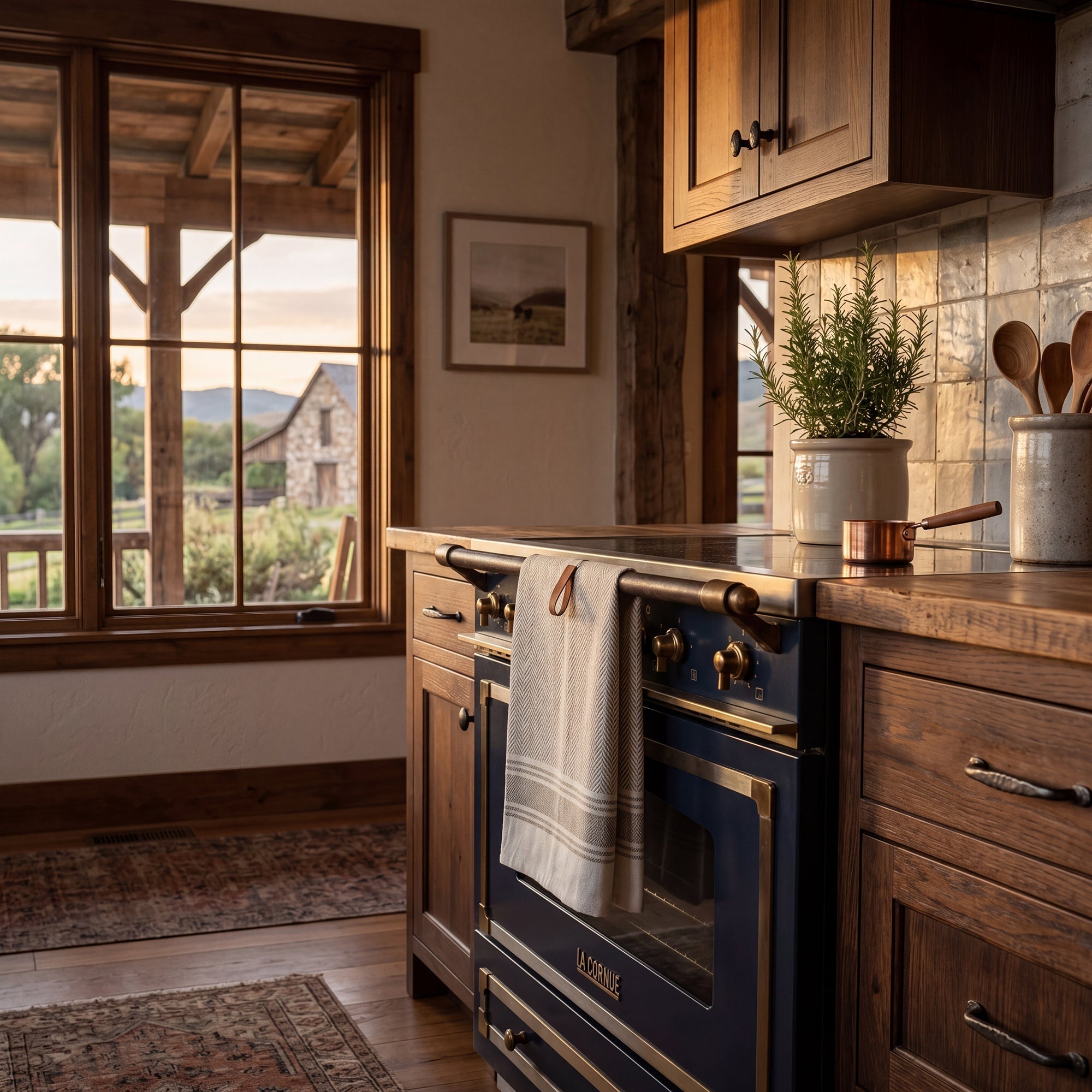
You find a serving spoon you swore you’d lost two Thanksgivings ago. The dog noses your knee and is rewarded with a last, harmless crumb. A folded recipe card waits by the stove, butter stains like cartography. You smooth the corner with a thumb the way you might smooth a kid’s hair after a long day. Good work, everyone. Good work, room.
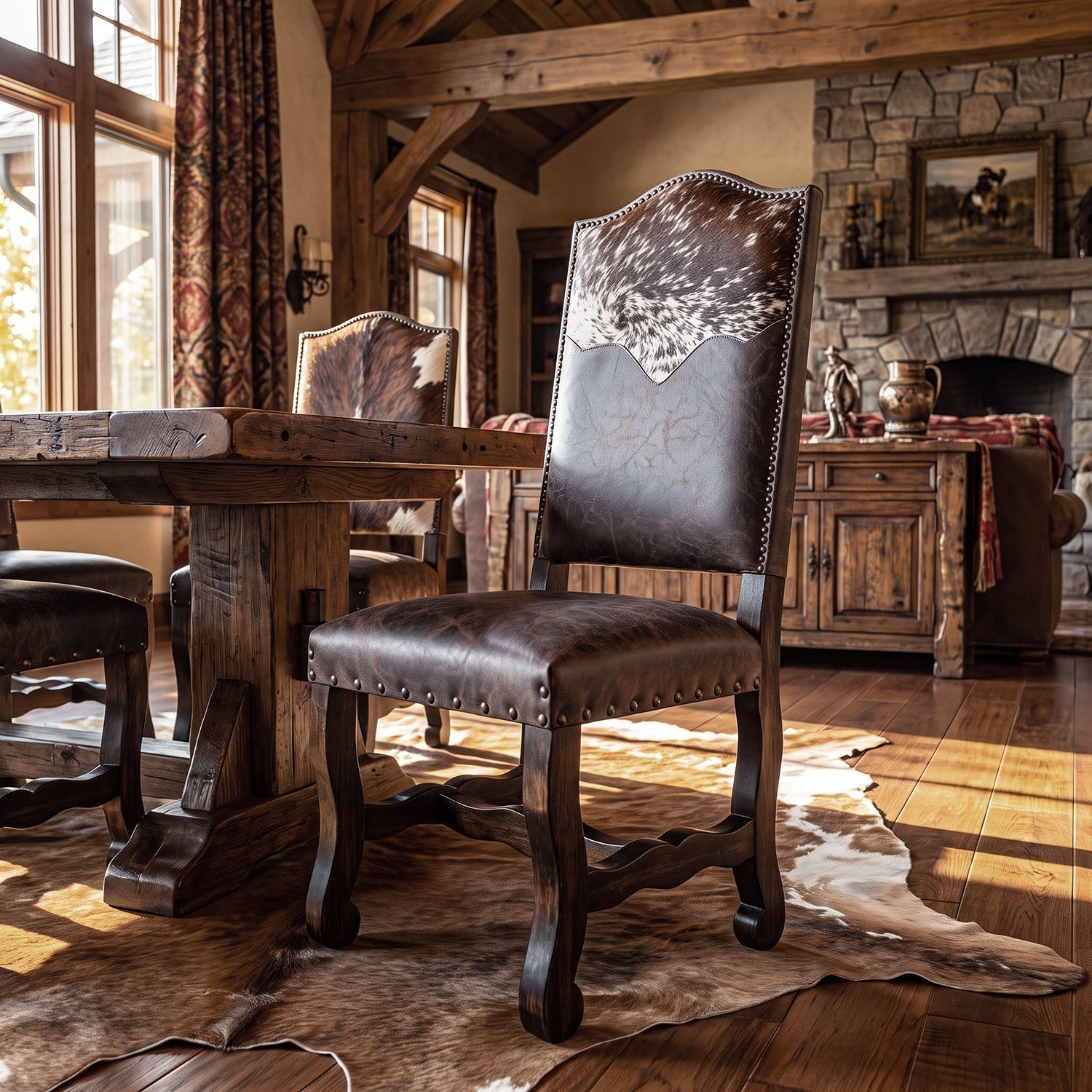
The details announce themselves when the crowd is gone. The chair your uncle always claims has a faint scuff where his boot meets the rung. The spot by the window is smudged where people leaned and watched the last light go. Someone left a sweater over the back of a chair—she’ll text tomorrow, you’ll say “I’ve got it,” and you’ll hang it on the peg like an extra family member until she returns.
Later, at the counter, you make small decisions with outsized meaning. Keep this. Wrap that. Send these leftovers to the neighbors. A slice of pie gets its last chance in the dim kitchen light. Someone’s favorite dish—gone, because of course it is. These tiny verdicts feel like stewardship. Because they are. You’re stewarding the end of a good thing so it can become what it’s meant to be next: a good memory.
You don’t need music. The house has its own. The clink of plates, the hush of a cloth, the click of the stove knob, the soft thud of the trash lid. There’s a tempo to it—calm, competent, almost holy. You’re not scrubbing away the day; you’re setting it gently on the shelf.
At some point you catch your reflection in the dark glass of the window—tired eyes, lighter shoulders. You think about the faces that were here. How the quiet ones said more than you realized at the time. How the loud ones soften when they’re given a job. How the old stories improve in detail and kindness with each retelling.
A room can keep a secret. It can also keep a promise.
You put the last glass in the rack and feel the kind of satisfaction that never makes headlines. No one will compliment the way the silverware drawer slides closed. No one will applaud the folded dishcloth or the switched-off lamp.
But you’ll sleep better. Not because the house is perfect—because it’s at peace.
And tomorrow, when somebody wanders in early, they’ll find a kitchen that looks like it remembers people kindly. The table will be ready to hold mail and elbows again. The chair by the window will welcome a book back. The hallway light will know just how bright to be.
After the plates are cleared, gratitude gets louder.
Not in words, but in the way a home resets itself—quietly, carefully, like a place that understands its purpose and is happy to keep living it.
This Sunday, leave one small sign that the gathering mattered. A note on the fridge. A leftover set aside for the early riser. The good coffee measured and ready. Let your home whisper what you mean to say:
Thank you for coming. Thank you for staying. Thank you for letting this room be part of your story.

Share:
The Night Before Company
The Coat on the Peg